
Living with a chronic illness often means constantly experiencing fatigue, pain, and unpredictable symptoms. For most people, these challenges can make traditional exercise or outdoor hobbies feel out of reach. Does that mean you have to confine yourself indoors? Is there no way to stay active with your current physical challenges?
Fortunately, gardening offers a flexible alternative: it can be done in a chair, on a balcony, by a window, or in small bursts that fit around your health needs. Gardening enables functional movement that mirrors whole-body exercise, while time spent in nature can be therapeutic, helping to reduce stress and improve social connection.
Gardening Tips for People with Chronic Illness
The following tips are designed to help you garden safely and sustainably. With thoughtful choices, steady pacing, and support when needed, gardening can remain an enjoyable form of movement, self-care, and connection to nature without placing unnecessary strain on your health.Chronic Illnesses That Can Benefit from Gardening
Gardening can be especially beneficial for people living with chronic conditions such as:
- Arthritis
- Fibromyalgia
- Chronic fatigue syndrome (ME/CFS)
- Type 2 diabetes
- Cardiovascular conditions
- Respiratory conditions such as asthma
Because gardening activities can be adapted in intensity and duration, they allow people to remain active without placing excessive strain on the body.
For someone managing chronic illness, tending plants becomes more than a hobby; it is a gentle form of movement, a source of beauty, and a reminder that growth is still possible even on difficult days. With a few thoughtful adjustments, it is possible to grow a thriving garden while respecting your health limits.
Choose Plants That Bring You Joy and Motivation
When energy and mobility are limited due to a health issue, motivation matters in whatever you do. You are far more likely to keep gardening if the plants genuinely delight you. That might mean colourful flowers at eye level, fragrant herbs near your kitchen, or a small raised bed of vegetables you love to eat.
Growing what inspires you requires a mindful approach to plant selection. Choose plants linked to positive memories, cultural traditions, or favourite foods. This helps turn gardening from “another everyday task” into an act of self-care.
When symptoms make movement feel difficult or unpredictable, support outside the garden can also play a helpful role. Structured, condition-specific movement programs can improve strength, balance, and confidence, making everyday activities feel more manageable. Services such as Tailored Exercise Physiology focus on customised strength and mobility programs for people living with chronic health conditions, helping individuals move more safely and continue enjoying gentle activities like gardening.
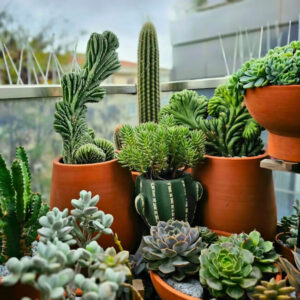
How you grow can also inspire you. Containers, window boxes, and balcony planters allow you to keep meaningful plants close without needing to manage a large garden.
Choose Low-Maintenance Plants to Reduce Physical Strain

Low-maintenance plants reduce pressure on days when symptoms flare or fatigue sets in. Look for species that tolerate occasional neglect, require less frequent watering, and are resistant to common pests and diseases.
Choosing plants that largely take care of themselves means less time spent watering, pruning, and fertilising, and less stress about plants failing when you need to rest.
Ground covers, drought-tolerant plants, and slow-growing species can keep your space green without constant effort. Opt for perennials and hardy shrubs rather than high-maintenance annuals.
Simplifying garden design can also significantly reduce physical strain. Thoughtful layouts, efficient use of space, and grouping plants with similar needs make maintenance easier over time. Practical inspiration for accessible layouts and low-effort plant choices can be found in resources such as Sumo Gardener, which highlights garden designs that prioritise ease of care and functionality for people with limited energy or mobility.
Avoid Pushing Yourself Too Much
For people with chronic illness, overdoing even enjoyable activities can trigger symptom flare-ups, increased pain, or deep fatigue. Research has shown a strong link between fatigue and chronic disease, with overexertion negatively affecting quality of life.
Gardening should support your health, not become another source of pressure. Break tasks into 5–15-minute sessions and schedule rest breaks in between, rather than trying to complete everything at once.
Some individuals relying on implantable devices, such as port catheters, may experience discomfort during gardening activities. Pay close attention to your body and stop if pain becomes difficult to tolerate. Legal cases, such as the Bard Power Port lawsuit highlight how device-related complications can interfere with everyday activities, reinforcing the importance of extra caution for people managing chronic illness. These devices carry the risk of fracture, migration, infections, and vascular damage.
TorHoerman Law notes that many victims are seeking compensation from the manufacturer for design defects. For people with chronic diseases, such cases show how implantable devices can hinder daily activities like gardening and call for extra caution.
Practice Safe Postures

Chronic conditions such as arthritis, back problems, heart disease, or neurological disorders can make bending, kneeling, and lifting risky. Gardening also involves repetitive movements that can strain the hands, wrists, and elbows, especially for people already living with chronic pain.
Adapting your posture and tools protects joints and reduces strain during gardening. Some practical adjustments include using raised beds, vertical planters, and table-height containers to avoid deep bending. You can sit on a stable chair, garden stool, or bench while working; keep tools within easy reach to avoid twisting.
The right tools can also ease the workload and prevent postural problems. Lightweight tools, long-handled trowels, and ergonomic grips can be particularly helpful for people with joint pain, weakness, or balance issues.
Seek Help When You Need It
Chronic illness often reduces stamina and mobility, making some gardening tasks unsafe to do alone. You should not try things like moving heavy pots, lifting bags of soil, or extended digging because these can lead to pain and injuries. Asking for help transforms gardening into a shared activity instead of a solitary struggle.
Don’t hesitate to seek help for everyday needs and occasional tasks. Invite family, friends, or neighbours to assist with heavy or seasonal tasks such as setup, pruning large shrubs, or restructuring beds. Consider community gardens, therapeutic horticulture programs, or hiring occasional help for physically demanding work.
Get Your Free Guide:
Master Growing Australian Natives eBook
A Must Have Complete Guide for Every Australian Garden
Get Your Free Guide:
Master Growing Australian Natives eBook
A Must Have Complete Guide for Every Australian Garden
Sharing responsibilities protects your body while still allowing you to stay involved in planning, choosing plants, and enjoying your space. Moreover, you can build meaningful connections with like-minded people.
Frequently Asked Questions About Gardening with Chronic Illness
Why is gardening good for physical health?
Regular gardening can lead to improved physical health, especially in older adults and people with chronic conditions. Gardening typically involves light to moderate activity with walking, squatting, reaching, and lifting small loads. These activities can support cardiovascular health and functional strength when done safely.
Is gardening good for the immune system?
Contact with soil and plants can positively influence the immune system through exposure to beneficial microbes. Being outdoors or handling living plants can also lower stress, and reduced chronic stress is itself linked with healthier immune function. Even indoor and balcony gardening can confer microbial and emotional benefits.
How can a chronic illness affect your daily mobility?
Chronic illnesses can limit mobility in multiple ways, affecting not only walking but also everyday tasks like dressing, bathing, cooking, and gardening. Conditions such as heart disease, diabetes, arthritis, multiple sclerosis, and Parkinson’s disease commonly reduce strength, endurance, balance, and coordination.
Gardening Safely and Joyfully with Chronic Illness
Gardening offers respite and relaxation to people struggling with chronic illness. However, the effort involved can make you think twice about adopting it as a daily activity. The good thing is that you can tweak your gardening techniques and approach a bit to grow a thriving garden without working too hard. Following these simple tips can make a difference for avid gardeners who enjoy growing despite their physical limitations.
Gardening does not need to be strenuous to be meaningful. With thoughtful choices, rest when needed, and support when necessary, it can remain a source of joy, movement, and connection—no matter your health challenges.
Published on January 8, 2026 by Maisie Blevins
Last Updated on January 9, 2026