
So you have decided to try your hand at gardening, see if that thumb of yours is indeed green or not? You’ve got the space, you’ve got the tools, now you just need to know the ‘how-to’ of gardening.
You turn to a gardening guru, or magazine, or book, or blog like aussiegreenthumb.com to find out just what to do. The only problem?
These sources sometimes seem to be speaking a language other than English! How do you decipher the mess that is gardening vocabulary?
You do what you are doing right now, and read my gardening terms vocabulary section which will grow as the year goes by! Each month I will educate you on the meaning of various words that are common in gardening circles.
Now, some of these words you will read and wonder why I am defining them, but I do so simply because, at some stage, someone has either asked me OR I have asked someone else what they mean!
Sometimes the words will have a common thread bringing them all together, other times they will just be a mixed bag of words that I thought it would be good to define.
Acclimatisation
Acclimatisation can refer to a couple of situations. The first is the fact that plants can take some time to get used to their new environment after being planted, either as seedlings or more mature plants. It can be said it takes a while for them to ‘acclimatise’.
With this in mind, and as I mentioned before, it is best to make sure you place your plants in their permanent position when they are first planted because it is during the acclimatisation period they are most vulnerable to pests and diseases, and also changing local conditions such as lack of water.
Another example of acclimatisation is when you move indoor plants, outdoors. It can take a plant that has grown up indoors quite some time to get used to living in a new, outdoor environment.
Annual
The word annual is normally used in the context of saying a particular plant is an ‘annual’. This basically means that the plant in question takes 1 full growing season, or one year, to go through all the life stages of plants from seed germination to death.
A plant that is considered an annual does not generally live longer than 1 year, though in my opinion good annuals are ones that self reproduce and provide a brand new batch of annuals the following season.
Aquatic
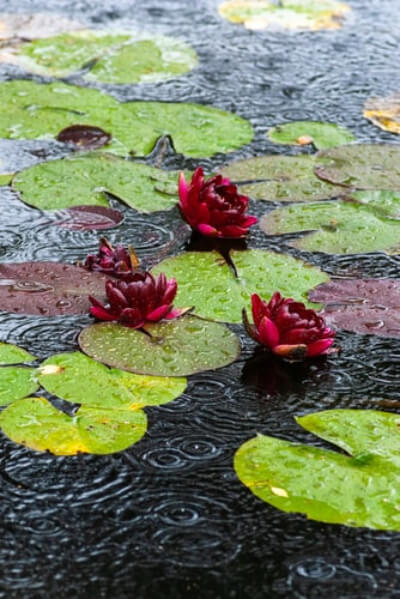
The word aquatic can have many meanings depending on the context that you are speaking of it in. When it comes to gardening, the term aquatic is applied to plants that either grow completely underwater or partially under water.
Water Lily’s are an example of an aquatic plant, with the roots and stems generally growing under water and then the leaves and flowers appearing on the surface of the water. Under water grasses would also be called aquatic plants.
Biennial
Again the word biennial is normally used in the context of saying a particular plant is a ‘biennial’. As is the case with many words, the meaning is in the structure of the word.
The two letters ‘bi’ means 2 in latin, so a biennial plant is a plant that takes 2 growing seasons, or 2 years, to go through its lifecycle.
In most cases this means the plant will grow its leaves in the first season and then its flowers and seeds in the second season, before dying at the end of its second season.
Once again, hopefully a biennial would be replaced the following year by a new batch of seedlings.
Bonsai
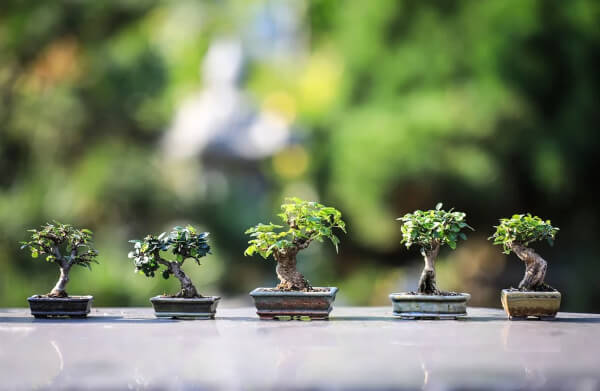
The art of bonsai is a very fun one, but one that requires much persistence and patience. Basically, bonsai is a Japanese technique to grow small or dwarf (see below) varieties of trees in small pots or containers.
Some of the main varieties used with the bonsai technique are pine, maple and juniper trees. The aim of bonsai is to train the plant into a decorative form, decided by the owner.
This is achieved by both tying the growing stems to very small metal or wooden stakes and by limiting the ability of the trees roots to grow by having it in a small pot.
Every year or two the plant is removed from its pot, the roots are pruned and it is placed into a slightly larger pot or container.
I myself got into bonsai for a while but it is not a short term commitment and requires much maintenance in trimming and pruning as the plant grows.
Bud
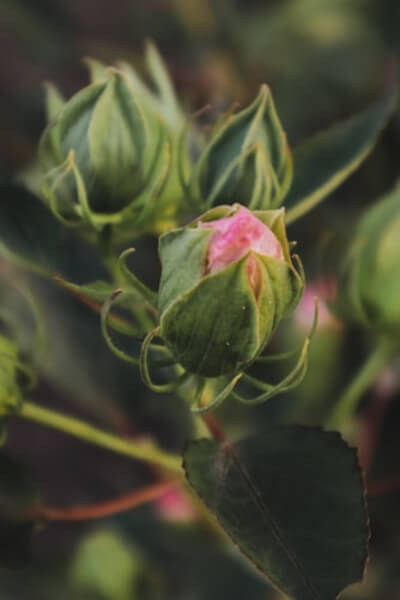
The bud of a plant can refer to many varied things, but in general it is a tightly condensed shoot which is the beginnings of flower, stem or leaf growth.
No flower, stem or leaf develops without first appearing as a ‘bud’ on a plant. Therefore all growth on a plant first starts out as a bud.
Canopy
In a forest there are many different layers of life and the word canopy refers to the upper most part, where the tops of the trees are.
They form a ‘canopy’ over the forest, often either stopping or filtering the light from getting down below. If you want plant to grow below the canopy then you have to make sure you choose plants that can handle the shade.
Equally, if you remove plants that are forming a canopy, make sure you know any plants growing below can handle more sunshine without the protection of the canopy plants.
Complete fertiliser
There are three main nutrients, besides water, which most plants need to grow, in varying amounts. These are nitrogen, phosphorus and potassium.
A complete fertiliser is a fertiliser that contains at least some of each of these three main nutrients.
Of course different complete fertilisers will have different levels of each of these nutrients, depending on the plant type the fertiliser has been designed to be used on.
Compost
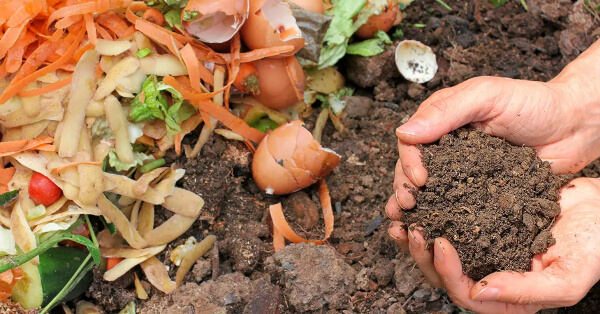
Many people get confused with the words mulch and compost and this is understandable, they are sometimes the exact same thing. HOWEVER the main purpose is usually different.
Mulch is placed around plants to maintain moisture and suppress weeds, compost is placed around plants to provide nutrients and organic material to help improve the soil in which the plants live.
This is why organic mulch can be of great benefit because as it breaks down it acts as an effective compost. Compost is most often made of manures or decaying plant matter like grass clippings. Sometimes other fertilisers are mixed in with compost.
Cultivar
A cultivar in the gardening sense is almost another way of saying a man made plant, which in some ways doesn’t actually make sense. A cultivar refers to the method by which horticulturalists often reproduce new plants.
Rather than planting seeds and waiting for them to grow, they cut off part of a plant and get that to grow roots and take hold, by various means and in this sense, it is not natural reproduction but man made.
Sometimes the word cultivar is applied when two varieties of plant within a species are joined together (like a hybrid) and used to create a new ‘cultivar’ within that species of plant.
Deadheading
Source: hppr.org
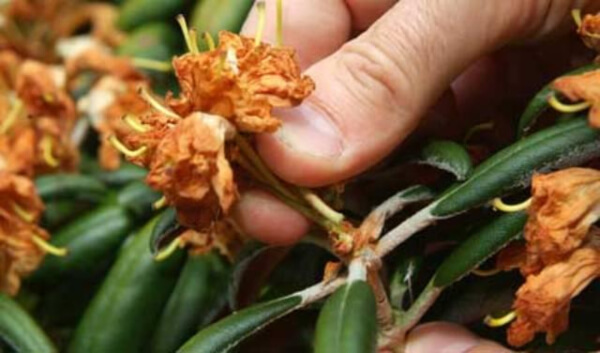
This is the process of removing dead or near-dead flowers from a plant. There are a few reasons why a gardener will deadhead a plant. One is for aesthetic reasons.
Simply put, while flowers are very, very beautiful, when they are dead or dying they stop looking very good, so removing the deadheaded flowers makes the plant look better.
Another reason why a gardener would deadhead a plant is to prevent it from forming seeds, which actually encourages new flowers to form.
Growing up I would regularly see my Grandma spend 10 to 15 minutes each day quietly deadheading her roses to help foster more flowers to bloom.
Deciduous
Source: thetreecenter.com
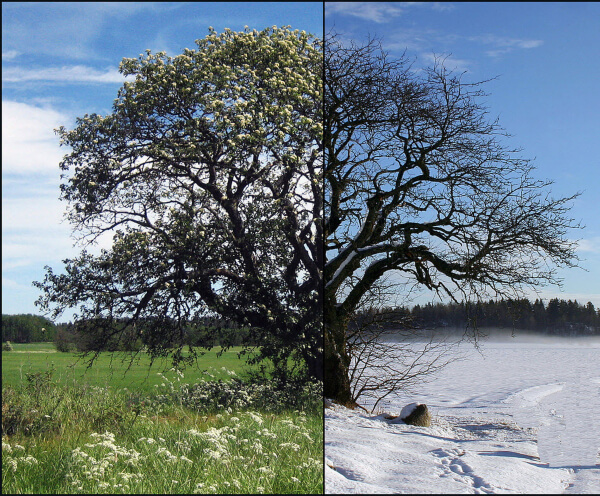
A deciduous plant is one that loses its leaves during winter. Basically what this means is the plant is going into a hibernation phase, like many animals do, and will wait until the warm weather return before it uses its energy for growth.
The opposite to a deciduous plant is an evergreen plant, which maintains leaves all year around. When you are driving around during autumn and see trees who’s leaves are turning yellow, orange, red or brown, you are looking at deciduous trees.
Dieback
Dieback is something that is very common amongst Australian native plants when pests and diseases from outside Australia invade your garden.
It basically causes the tips of branches or new shoots to die and this then spreads across the plant generally until it dies or the dieback is treated.
Generally dieback is a disease, basically a form of mould, which means it can be spread by water, uncleaned gardening tools and various pests and is a real problem in many native area’s around Australia.
Drainage
So you have bought a new plant and on its tag it says something about ‘drainage’. Does this mean the plant needs to be planted near a drain?
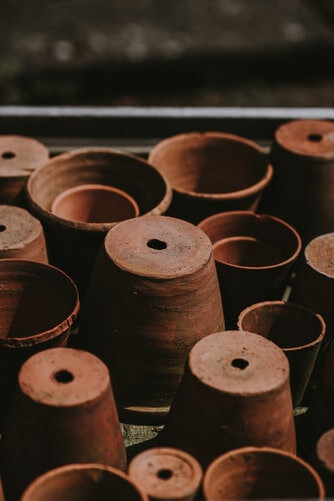
Away from a drain? Simply, no. Drainage basically refers to how fast water will drain away around plants. It refers to how quickly water will soak into the soil when a plant is watered.
Most plants require good drainage because too much water hanging around can cause roots to rot. Though plants needs good access to water, they mostly don’t want to be swimming in it.
Good drainage means the soil will take in plenty of water but the surrounding plants won’t be unhappy with the amount of water hanging around the roots.
Dwarf
I defined the term bonsai before the term dwarf because these two words can be confused quite easily.
This is because, as you are probably realizing, some gardening words carry a multitude of meanings. However the term dwarf, as confusing as it can be, basically describes itself.
A dwarf plant is basically a form or variety of plan that is smaller than another form of the plant.
Sometimes this is achieved through a process like bonsai, meaning the plant has the same genetic make-up as other plants of the species, other times a dwarf plant is a variety or species that has been bred to specifically grow as a smaller plant without the need to limit its growth manually.
See ‘hybrid’ below for further explanation.
Evergreen
The term evergreen basically applies to any plant that will always have some foliage. Evergreen plants are plants that do not go into hibernation for any period of time and instead continue to grow and produce leaves all year round.
Family, Genus & Species
For this months definitions I am actually going to tackle these 3 words together. Every single plant belongs to a species, which belongs to a genus, which belongs to a family.
There are actually more levels to this classification tree but no more than these 3 is really needed to be known.
Let’s take one variety of Kangaroo Paw, the Haemodoraceae Anigozanthos manglesii, as an example.
It all looks like double Dutch at first, but let me explain!
Family – Haemodoraceae
Genus – Anigozanthos
Species – manglesii
When you go to a nursery and you look at a plant, it will usually only have the genus and species name as this is all you really need to be able to tell a plant apart. Every species has a different species name.
So as an example, someone might tell you ‘you should buy a Kangaroo Paw’. Great you say. So you go to a nursery and ask for one. They then ask you ‘what type are you looking for?’.
Basically what they are asking for is what species. The name ‘Kangaroo Paw’ in this example is basically the equivalent of the genus name.
There are many types of Kangaroo Paw and each has a different species name. However all but one Kangaroo Paw has the genus name Anigozanthos and the family name Haemodoraceae.
As is often the case in English, there are occasionally exceptions to the norm!
3 quick points about botanical names.
The family name of a plant always ends with eae.
The genus name of a plant always starts with a capital letter.
The species name of a plant always starts with a non-capital letter.
Why use botanical names and not common names?
Simply put, what you may know as a ‘common’ name for a plant may not be what other people know as the ‘common’ name. Or what you call one plant in Australia may be what someone in America calls an entirely different plant.
Botanical names help clear up this problem, while also helping us to understand how various plants are related. This is important when it comes to cross-breeding.
Plants that cross-breed best are ones that belong to the same genus, or in other words are just different species of the same plant.
Frost Hardy/ Frost Tolerant
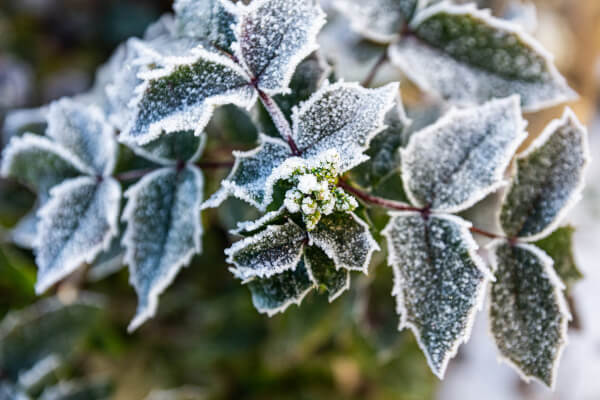
The term frost hardy is actually very much dependent on the climate that plants are growing in, but in general a plant that is said to be ‘frost hardy’ is a plant that will not die if it has to go through some frost conditions.
The key points to whether a plant is frost hardy or not is a) Can the leaves survive frost temperatures and conditions without experiencing damage (evergreen shrubs) and b) can the stems and/or buds of the plant survive frost temperatures and conditions (deciduous shrubs).
However one plant that is said to be frost hardy in a temperate zone may not be as frost hardy in a cold weather zone because the depth of the frost will differ.
Germination
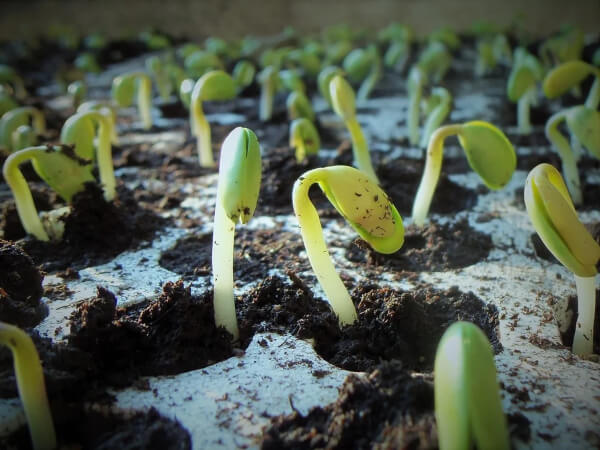
The term germination applies to the first stage of development a seed takes in the process of becoming a plant.
When the seed starts to grow, the seed shell breaks and a seedling bursts forth and grows towards the surface and eventually breaks through to grow into a plant.
When the seed shell breaks it can be said the seed has ‘germinated’. Some seeds will lay dormant for a long time before they germinate, programmed specifically to wait for just the right environmental conditions.
Grafting
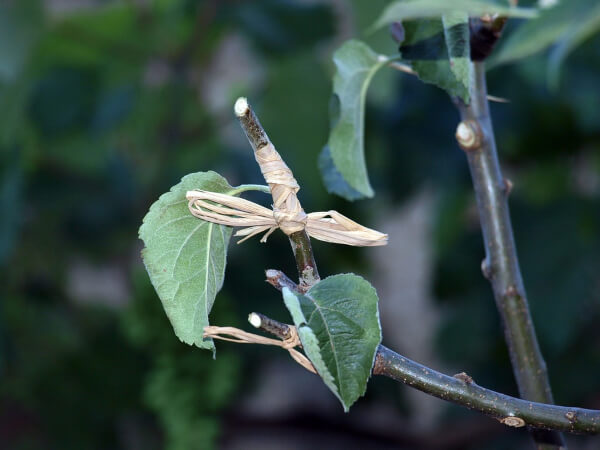
The process of grafting is not really one for a gardening new comer, but it can be handy to understand the term when shopping for varieties because a ‘hybrid species’ variety is normally the result of two species either being grafted together, or being bred from a grafted species.
Grafting is basically taking the stem or bud of one variety and joining it together with the stem or stem base of another variety of the same plant.
Some grafts work better than others and some plants are more open to grafting, hence why the actual process of grafting is best left for intermediate or experienced gardeners.
The resultant, grafted plant will have a blend of characteristics of the two parent varieties and the process can lead to more hardy plant varieties or produce more beautiful flowers.
Ground Cover
Source: pinterest.ph
Why am I defining what the term ‘ground cover’ means? Well, strangely enough, I have been asked this question before!
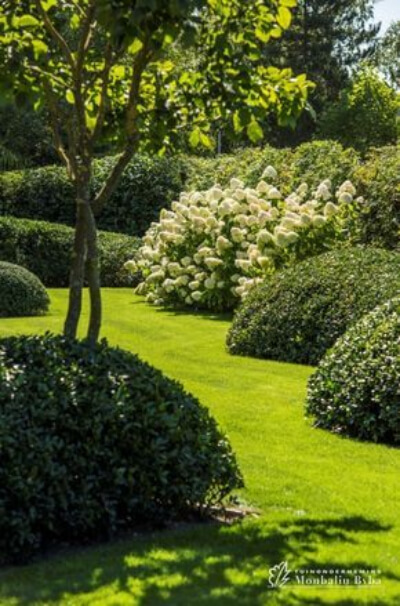
So for anyone that us unable to work it out, a ground cover is a plant that naturally grows…along the ground, forming a cover of the ground around its root system.
Ground covers are great for filling up empty space in and around other, larger plants. They are also fantastic because they help suppress the growth of weeds by limiting the space in which weeds are able to grow. Sometimes if you really like a particular plant but think it grows too big, looking for a ground cover variety can be beneficial.
Hardy
This term is used to describe plants that can survive harsh local conditions. In colder climates, hardy plants are plants that can best survive the cold winter weather, or frosts.
In warmer climates, hardy plants are usually plants that can survive hot temperatures and possibly lack of regular rainfall. The term may also sometimes be used to describe plants that are easy to grow, or hard for even the average gardener to kill!
Humus
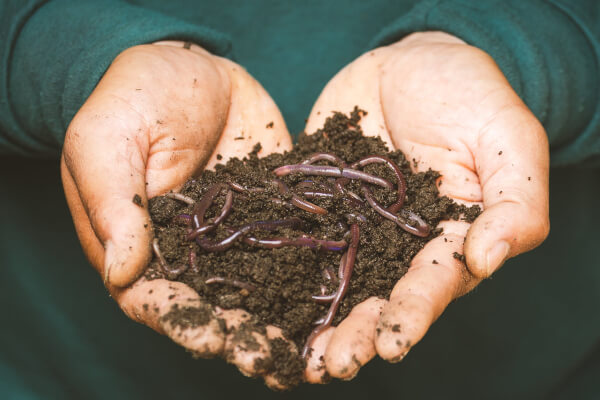
Humus is formed when organic matter breaks down. It is a dark brown residue, particularly formed when vegetable matter breaks down.
The term can also be applied to compost formed when leaf litter or grass clippings are partially decayed, which forms a brown, crumbly ‘humus’.
Hybrid
A hybrid is a plant produced by combining two plants together, which is achieved by grafting, a term I defined in the April edition of this series.
This is done to produce a plant with a mix of characteristics from the two parent plants. Usually the two plants that are combined are of the same species or genus because this is the best way to get a successful mix.
This is one way a dwarf variety can be developed.
Inorganic
A term applied to substances not containing carbon molecules, therefore meaning they were not formed by a living organism.
In gardening terms, an inorganic substance is usually a naturally occurring mineral that helps plants grow or are manufactured chemicals made to help plants grow.
Insecticide
An insecticide is a substance used to kill insect pests that cause problems on plants. Insecticides can be found in many forms.
They are mostly liquids or powders but can also be smoke or a vapour. Insecticides need to be used with caution because not all insects have negative effects on plants, and in fact many plants needs insects for healthy growth and reproduction.
However many insecticides do not only kill damaging insects but also kill helpful insects.
Layering
Source: greenmylife.in
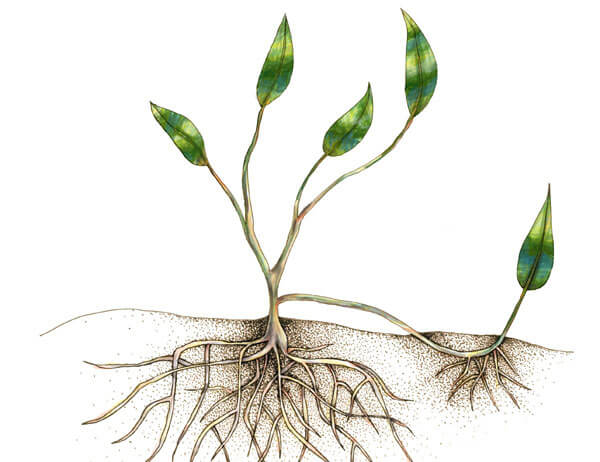
The term layering can be used in a few ways but the main one is in regard to a propagation technique.
Basically, layering is when you take the flexible stem of a plant, bend it over and cover it with soil, encouraging the buried stem to produce roots due to its proximity with the soil.
Once this section has grown roots and taken hold, you could trim the stem off the original plant and have a whole new separate plant. Not all plants are suitable for the layering propagation technique.
Leaching
Leaching is a process than can be both good and bad for your soil. When something is said to be ‘leaching out’ of your soil, it means that it is disappearing.
For example, over time the fertiliser that you add to your soil will leach out, because as more and more water is applied, the fertiliser will be pulled further into the soil or washed away entirely.
Now, leaching is a good thing when it removes excess of substances, or substances like salts that aren’t required in high doses, but it is also bad because all your good nutrients will also leach away, over time. The fertiliser you add does not all get used by the plants, much of it leaches away.
This is one of the reasons why you have to regularly top up the nutrients that you have in your soil.
Loam
This is what every gardener is going for when they are working towards improving the soil in their gardens. Loam is the name given to good, fertile soil. Loam is not wet and sticky, nor dry and sandy.
When you pick up fertile soil it should hold together but, unless it has just been watered, not leave your hand overly wet.
Loam is made up of clay, humus (see below), sand and silt and also is rich with trace elements or minerals that most plants require to grow well.
Manures and Fertiliser
Source: farmandgardendiy.com
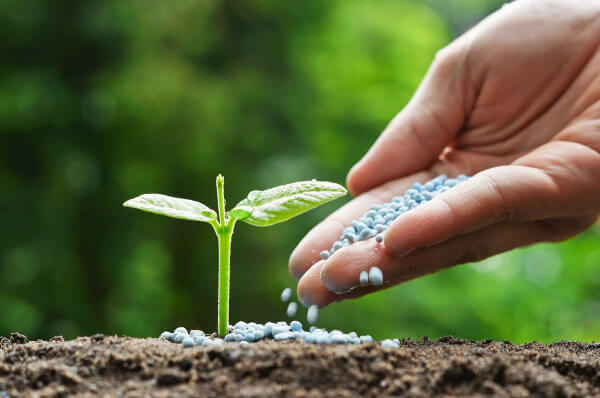
You are probably sensing a trend here. Many people also often confuse compost and manure/fertiliser, once again because sometimes they are referring to the same thing.
When manure is placed around plants it is done so as a compost, aimed at fertilising the plants, or providing nutrients. Manure is an example of an organic(matter which was once living or part of a living organism) fertiliser.
Much of what we think of as fertiliser however is inorganic , either from naturally occurring minerals or manufactured from various elements.
So basically a fertiliser is anything added to a plants environment aimed at providing some form of nutrient to make the plant healthier or grow more vigorously.
A fertiliser may be organic (from something once living) in nature or inorganic (mineral or manufactured chemical) in nature. Manure is one example of an organic fertiliser.
Mulch
Source: angieslist.com
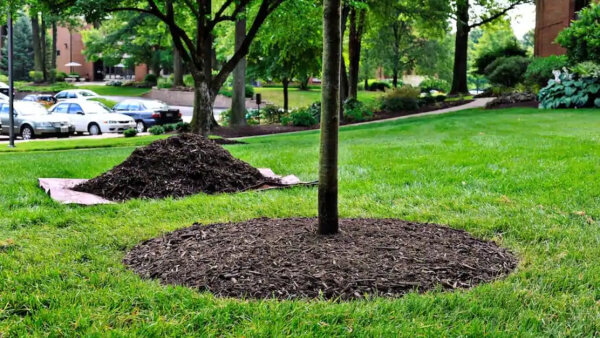
Rather than specifically defining mulch I will explain, very briefly, its purpose. Mulch is a layer of material, usually organic (like manure, peat or straw) but not always, placed around plants to help maintain moisture.
Mulch is also used to help suppress the growth of weeds around plants. Organic mulches work best in my opinion because they break down and help to fertilise the plants they are surrounding.
Native
The word native basically means that a plant is indigenous, or originally occurring, in the area being described.
For example, Australian native plants are plants that were found living naturally in Australia, they were not imported from another country.
It is however better to be more specific about a species native habitat, for a plant naturally occurring in Western Australia may never have naturally occurred in New South Wales, so it would be more truthful to call it a West Australian native.
Some native plants are found all over the country they live in, others are only located in specific pockets and therefore may not grow as well in other parts of even their native country.
This is why it is sometimes best to find out what plants are native to your specific area, and not just the country you are living in, when choosing native plants.
Nectar
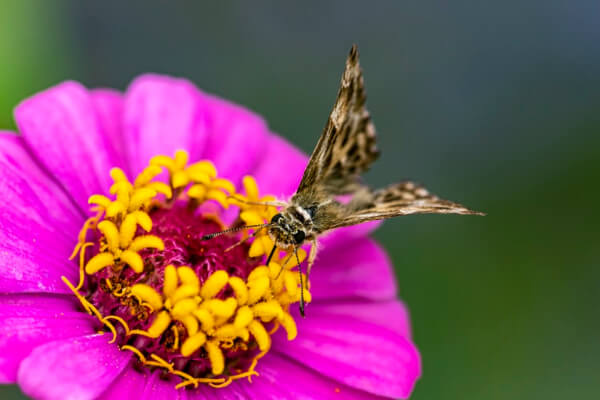
Nectar is a substance that is produced by flowers to attract birds and bees and other various wildlife. It is made up of sugars and waters, which is food for wildlife.
When birds and bees stop by and collect the nectar from flowers, they have to press in past the pollen to get to it, and some of this pollen will stick so that the next time the bird or bee flies to a similar flower, there is a good chance it will get pollenated.
As such, nectar is a critical part of most plants reproductive cycle.
NPK
When looking at buying fertiliser you may see listed on the label somewhere a number that looks something like this;
NPK 5:6:4
This NPK figure basically explains the amount of the three main nutrients, described above under complete fertiliser, that can be found in that fertiliser.
The first number refers to nitrogen (chemical symbol N), the second number refers to phosphorus (chemical symbol P) and the third number stands for potassium (chemical symbol K). So 5:6:4 would mean that fertiliser contains 5 parts nitrogen, 6 parts phosphorus and 4 parts potassium.
Organic
Organic refers to substances that are generally created by living organisms and usually contain carbon molecules. They are often used to add nutrients to the soil to help a plant grow.
Animal manure and compost formed by rotting plants are prime examples of organic substances which may be added to a garden to make it healthier. Organic substances are not manufactured but are natural bi-products or living, naturally occurring processes.
Peat
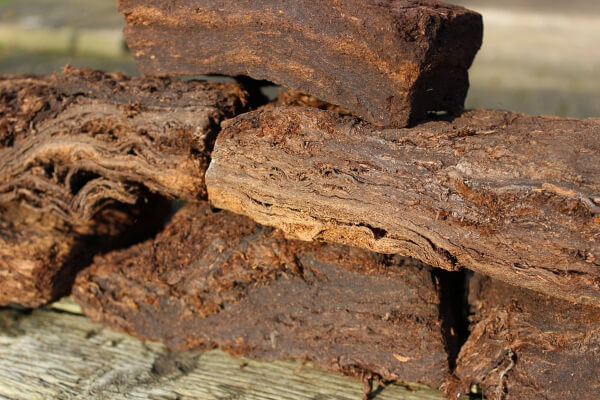
Peat is an organic matter which does not contain large amounts of minerals of trace elements, that is added to soil to help improve it.
When peat breaks down, it forms humus (see below) and this helps improve the soil. In particular it is good to add peat to dry, sandy soils, to help make the soil less dry and sandy.
Perennial
Perennial plants are plants that have a life cycle that is longer than 2 years. Therefore most plants to my knowledge fall under the perennial category.
Exactly when a perennial plant reproduces differs greatly, depending on the species. The main thing is they do not grow and die in 1 or 2 seasons, but continue to live on for multiple growing seasons.
pH
This is a scientific term used in the gardening world to help us understand when soil is healthy. By understanding the pH level of soil we can work out what it is lacking to be considered ‘fertile’.
Fertile soil, Loam, has a pH around 6-7. pH itself is a scale that informs us what the level of acidity in any given soil is. pH stands for ‘potential of Hydrogen’.
Soils with a low pH are highly acidic and soils with a high pH are highly alkaline, the opposite of acidic.
Propagation
If you start with one plant and you somehow get more plants, you have propagated the new plants. There are 2 types of propagation;
1) Seminal: This is propagation by planting seeds. One plant produces seeds. You plant these seeds. They germinate and grow into new plants. This is an example of seminal propagation.
2) Vegetative: This is propagation by cutting or grafting. Sometimes you can cut a piece off of a plant, place it in the soil and it will form roots and grow.
In this case you have taken one plant, removed part of it and turned it into two plants. Another example is taking a piece from two different species (but usually from the same genus) and grafting them together, forming a hybrid.
This results in a third plant being propagated.
Pruning
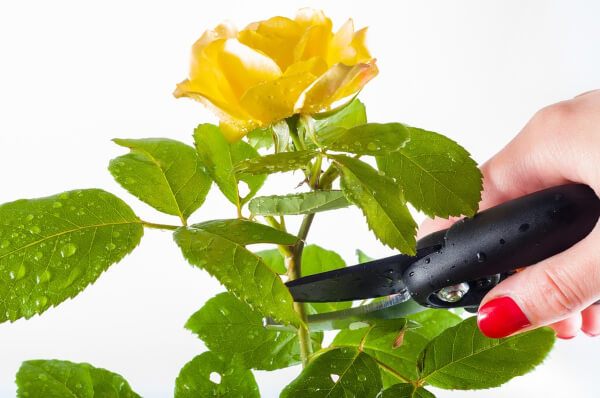
This is basically the removal of part of the plant to either restrict its size, shape the plant or promote flowers or fruit to grow. It may seem strange but for many plants, the loss of some of the plant, via cutting, encourages it to grow or fruit more vigorously.
This is especially the case when the pruning involves the removal of dead or dying limbs.
IMPORTANT NOTE: Do not go out and prune a plant without first doing a little bit of research into the best times for that particular plant. Some enjoy mid flower pruning, others require after flower pruning.
There are many other things to take into account when pruning, which I will most likely discuss at some other point in time.
Retaining Wall
A retaining wall is a wall that is built on a slope. This can be done for a few reasons but the main two are to make two or more flat area’s, as opposed to a slope, or to provide strength and support, stopping soil from sliding or eroding away.
This might be in a garden or as part of a building.
Runner
Source: garden.eco
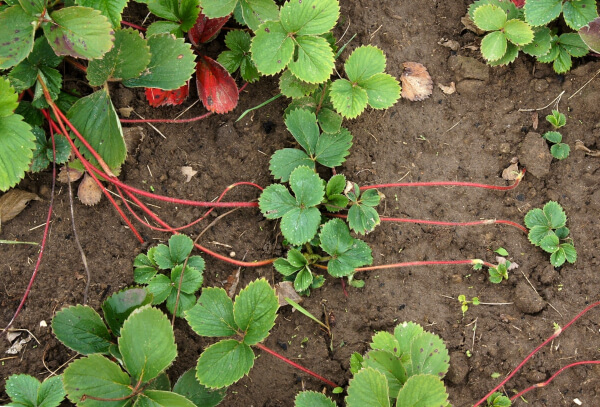
Many plants grow by sending out things called ‘runners’. Runners are shoots from the plant which generally grow along the ground (or sometime another surface), creating new roots as they grow.
Many grasses grow in this fashion, sending out new shoots which establish themselves with roots as the grow. For something to be considered a true runner it does need to produce roots because what runners often do is, in effect, create new plants.
When a ‘runner’ shoot has sufficient roots, you could separate it from the original plant and it would continue to survive.
Seedlings
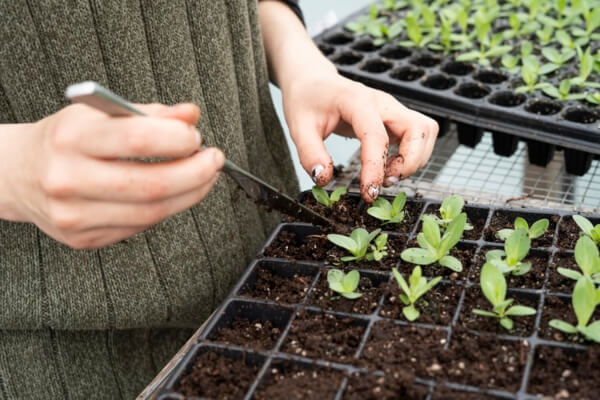
The term seedlings can and is used to describe a few different things. Technically a seedling is a plant with only one unbranched stem.
It is what is produced immediately following the germination of a seed. However in many cases the term seedling is applied to any young plant with only a few leaves or stems.
This is often what is referred to by nurseries as ‘seedlings’.
Seeds
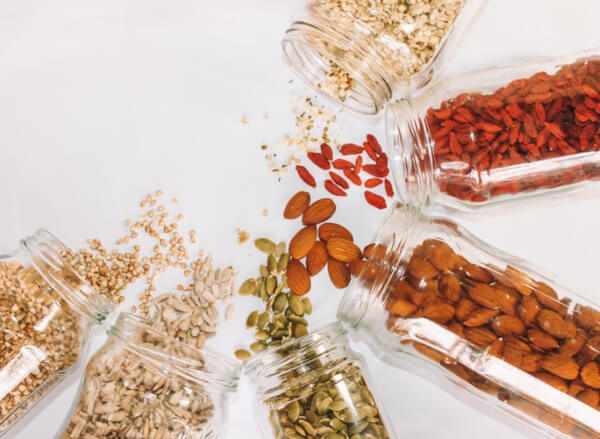
Seeds are what many, but not all, plants grow to reproduce.
Seeds come in all shapes and sizes but are basically are small bundles of DNA material from parent plant/s (depending on whether the plant is sexual or asexual, more terms for another time) wrapped in some sort of protective material.
Seeds are produced either on the inside or outside of the fruit of a plant. Fruit is generally produced following the flowering of a plant.
Specimen Plant
A specimen plant is basically any plant that is placed in such a position that it becomes the feature, or focus, of the garden it is placed in.
As such, some plants made better specimen plants than others. An example of a relatively common specimen plant in Australia is the Australian Grass Tree.
Staking
Source: hgtv.com
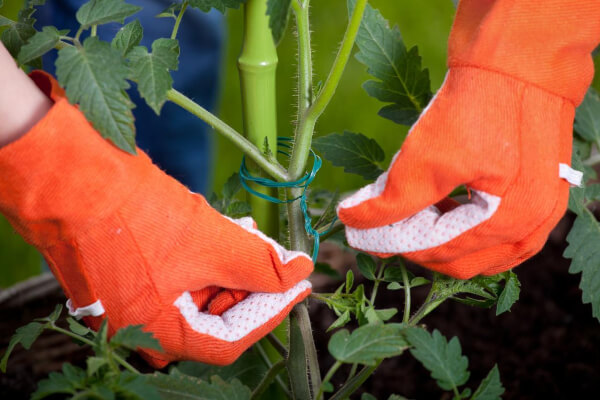
Quite simply some plants require a little help as they grow because they become top-heavy, that is the top of the plant is heavier than the base or root system can support. In such cases it is helpful to stake them.
This means to stick a piece of wood, or metal, or anything else that is strong next to the growing plant and as it grows, tie the new ‘top’ loosely(and this is the key) to the stake.
This way the stake is providing support but the tie is not restricting the plants growth, both upwards but also in terms of the thickness of the growing stems or branches.
If, after you have staked a plant, the ties look to be causing a problem, simply loosen then or move them to a different area of the growing stem or branch.
Succulent
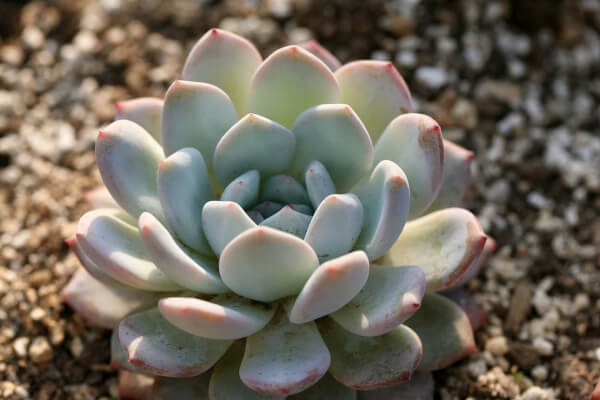
The main feature of a plant that is called a ‘succulent’ is its ability to conserve water. Succulents normally have large, fleshy stems or leaves, specifically designed to store water so that the plant is able to survive in climates where rainfall may be small.
Often times if you were to break open the stem or leaf of a succulent plant, the broken stem or leaf will ooze large amounts of water.
The aloe vera plant is an example of a succulent. Many people groups world-wide rely on succulent plants for finding water in harsh conditions where rainfall is sporadic at best.
Tap Root
A Tap root is the main root of a plant. Even though plants normally have lots of roots, they generally have one main root from which all or most of the other roots come from.
The Tap Root goes down deep, provides a lot of nutrients and also is often one of the main support bearing roots for plants and trees.
Many plants require the Tap Root to be intact if you are going to have any hope of transplanting them to a new location. Some plants even require the tap root to undergo as little stress as possible in the transplanting process, with a good amount of soil needing to be left around the tap root from the original location of the plant.
Thinning
There are two main times the term ‘thinning’ could be used in gardening.
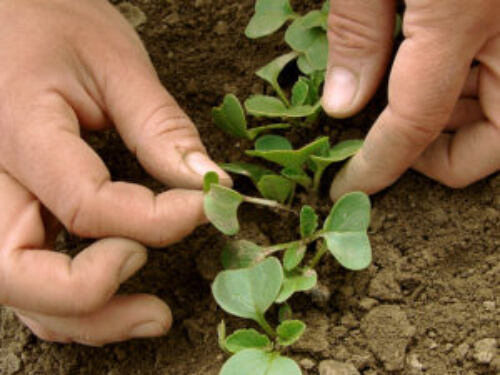
1) When many seeds have been planted and have germinated, some are removed to help the other seedlings grow better, ‘thinning’ the amount of seedlings vying for the nutrients that are in the soil.
2) When a plant is growing, sometimes some new stems or branches are removed. This is for similar reasons to the use of thinning with seedlings. ?
Source: harvesttotable.com
t takes a great deal of energy to grow many stems or branches, if there are less stems or branches, the energy the plant exerts can be focussed on growing the remaining stems and branches.
In both cases, the aim of thinning is to encourage growth. It is similar to the process of pruning, in that sometimes for a plant to grow in a healthy manner, it needs to have less of itself to focus its energy on.
Topiary
This is another word to describe the process of clipping, trimming and training trees into a specific shape. The art or training a bonsai plant is a form of the art of topiary, on a small scale.
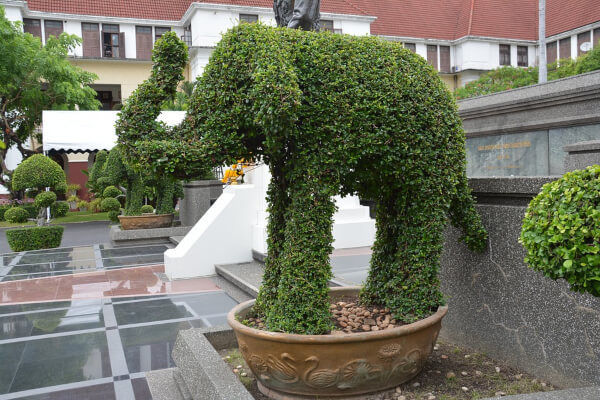
However topiary can also be used on larger plants or shrubs. When you walk around and see delicately shapes trees or hedges, that is a form of topiary.
Trace Elements
Plants basically work by taking nutrients from the soil and making them into various products that they need. These nutrients are usually an element of some kind.
A trace element is any element that a plant requires for healthy growth that is usually naturally occurring in small amounts within fertile soil. In fact it is the presence of trace elements that makes a soil fertile or infertile.
Transplanting
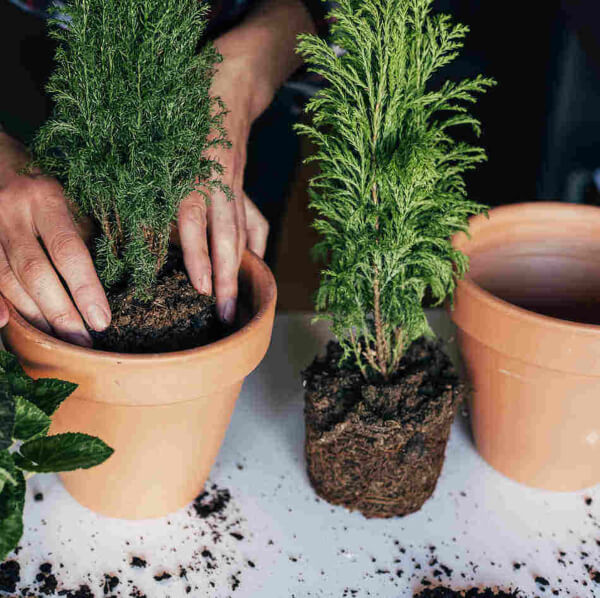
This term simply means moving a plant from one location to a new location. A lot of care must be taken when transplanting.
Source: greenhousetoday.com
Some plants transplant better than others and almost always more so when they are young seedlings as opposed to older, more mature plants.
It is best to make sure you have positioned your plants where you plan them to be forever when you first plant them because there is no guarantee they will survive a transplant.